
Cracks That Stop Coatings From Sticking
Concrete crack repair in Morristown for slab floors that need proper preparation before any coating is applied
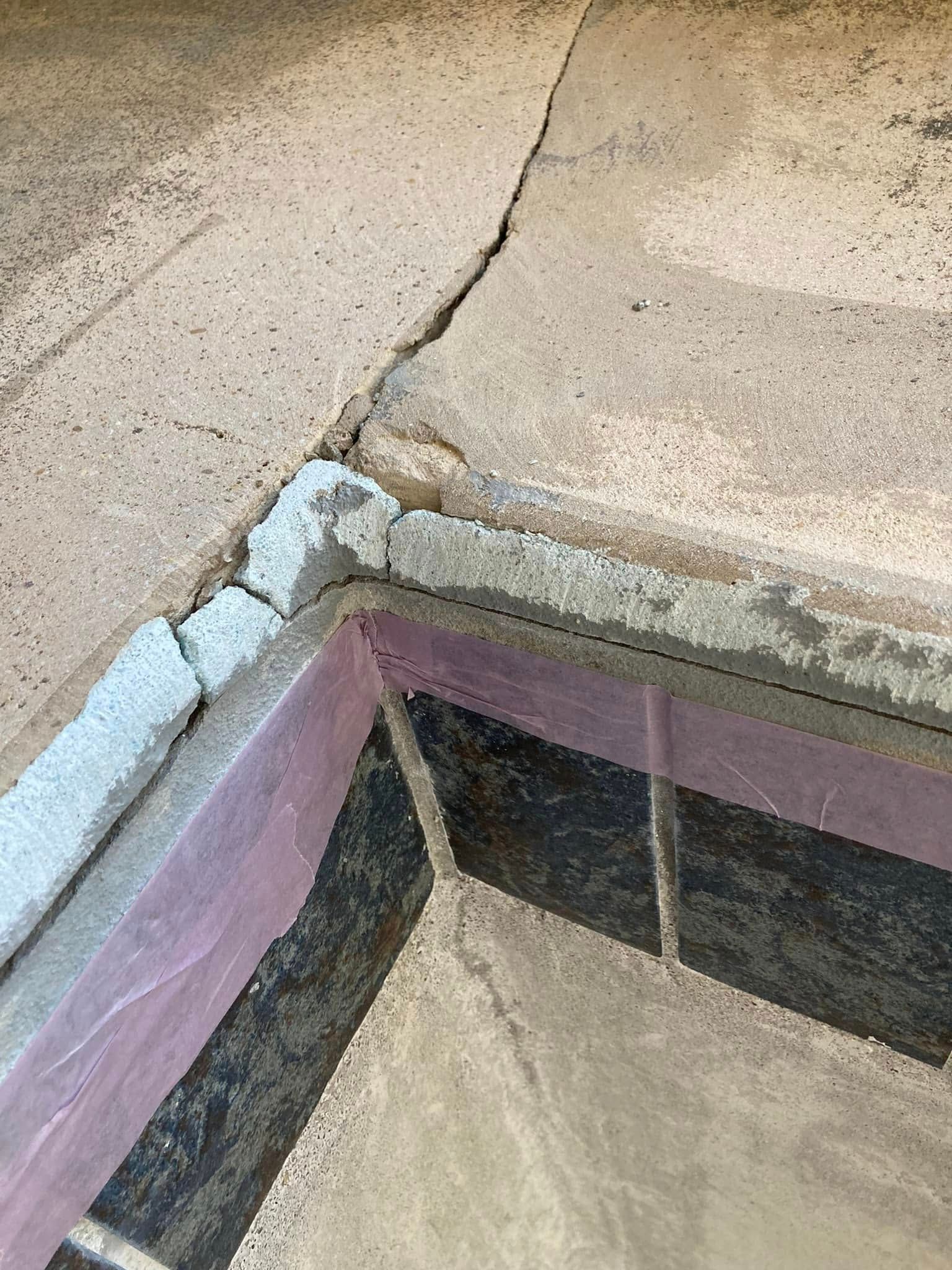
Slab floors in older homes and garages across Morristown frequently develop cracks that look minor on the surface but will telegraph directly through any coating applied over them without proper repair. Volunteer Epoxy Flooring handles concrete crack repair as a standalone service and as part of full floor coating projects, filling and grinding each crack before any product goes down. The business is family-owned, licensed, and insured, and every job begins with a free on-site estimate.
The repair method depends on what the crack actually measures. Cracks wider than one eighth inch are ground out along their length to remove loose edges and create a clean channel. Larger cracks may receive a backer rod or a sand bed before epoxy or urethane filler is packed in, which keeps the filler from sinking and ensures a solid fill rather than a hollow repair. Once cured, the filled area is ground smooth so the surface is flat and ready for whatever flooring system follows. Hairline cracks may not require filler at all depending on the coating system selected, which is a determination made during the estimate visit rather than assumed in advance.
Schedule a free estimate to have your slab evaluated and get a clear picture of which cracks require repair before your project moves forward.
Filling a crack correctly involves more than running a bead of product into an opening. The crack has to be prepared so the filler has something solid to bond to, which means grinding out deteriorated edges rather than bridging over them. Urethane filler handles movement in the slab better than rigid materials, while epoxy filler bonds tightly to stationary cracks and provides a hard surface that holds up under grinding and coating.
After the repair is ground smooth, what you see is a flush surface with no ridges or recesses across the filled area. A coating applied over a properly repaired crack will not show a shadow line or bubble where the crack was located. The difference between a filled crack and an unfilled one becomes visible within the first few months of a coating's life, as unfilled cracks allow the coating to flex and eventually delaminate along that line.
The type of filler used matters for what comes after the repair. If the finished floor will be a thin decorative coating, the repaired area needs to be ground flush to within a tight tolerance. If a full flake system is going down, the filler selection can be matched to the base coat chemistry. These decisions are made during the evaluation rather than at the product stage, which is why inspecting the slab before any materials are ordered is part of how Volunteer Epoxy Flooring approaches each job.
Common Questions About Crack Repair Work
The questions below address how concrete crack repair is actually performed and what affects the approach on a given slab.
What determines whether a crack gets ground out or filled directly?
Crack width drives that decision: cracks wider than one eighth inch are ground out to clean edges before filler is applied, while narrower hairline cracks may be left as-is depending on the coating system going over them.
How is the filler material chosen for a specific crack?
The fill material is matched to the crack's behavior and what follows it — urethane filler is used where the slab shows any movement, while epoxy filler suits stable cracks that will be ground smooth and coated.
What happens to a larger crack that runs deep into the slab?
A deeper crack receives a backer rod or sand bed first, which supports the filler from below and prevents it from sinking before it cures, leaving a solid fill rather than a hollow channel.
How do you know when the repaired surface is ready to coat?
The filled area is ground smooth and checked for flush alignment with the surrounding slab; if the grinder leaves no ridge or depression across the repair, the surface is ready for the next step.
Why do older slabs in Morristown tend to show more cracking than newer pours?
Slabs placed in garages and basements of homes built several decades ago were often thinner and placed over less prepared sub-bases than current practice, which means settling and slab movement have had more time to open cracks that need addressing before a coating will hold.
Volunteer Epoxy Flooring also performs concrete crack repair in Jefferson City, Newport, Rogersville, Greeneville, and Dandridge. To get a clear assessment of your slab's condition and what repairs are needed before a coating project starts, contact Volunteer Epoxy Flooring directly to arrange a free on-site evaluation.